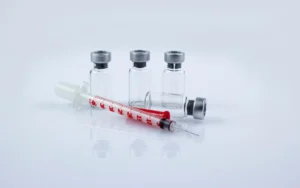






Male Hormone Imbalance: Signs, Symptoms & Solutions
Male Hormone Imbalance: Signs, Testing, and Treatment Options

Male hormone imbalance is a measurable disruption in testosterone, estradiol, thyroid, cortisol, or growth hormone signaling that produces symptoms like fatigue, low libido, brain fog, weight gain, and mood changes — often years before a standard lab flags anything as “abnormal.” It’s one of the most common — and most missed — reasons men in their 30s, 40s, and 50s stop feeling like themselves.
Persistent symptoms deserve an appropriate evaluation even when initial laboratory testing does not identify an obvious cause. “Normal” on a standard panel and “optimal” for how you actually feel are two very different things. At Balanced Aesthetics + Wellness in Brookhaven, we begin with a detailed medical history, symptom assessment, medication and supplement review, and laboratory testing selected for the individual patient. When clinically appropriate, a broader men’s health panel may be used to evaluate hormone, metabolic, cardiovascular, thyroid, and other relevant health markers.
Key Takeaways
- Total testosterone is the recommended starting point. Free testosterone and SHBG can provide additional context when total testosterone is borderline or SHBG is likely to be altered.
- Testosterone may decline gradually with age, but obesity, illness, sleep, medications, and overall health can influence levels as much as age itself.
- Fatigue, low libido, mood changes, and weight gain can also be related to thyroid disease, sleep apnea, metabolic dysfunction, medication effects, or other medical conditions.
- TRT is prescription treatment for appropriately diagnosed hypogonadism—not a shortcut for normal aging or nonspecific symptoms.
- Diagnosis generally requires compatible symptoms and at least two accurately measured, early-morning testosterone results on separate days. Additional testing is selected to identify the cause and establish treatment safety.
What “male hormone imbalance” actually means
“Male hormone imbalance” is an umbrella term—not a single medical diagnosis. Clinically, the evaluation focuses on whether your symptoms are accompanied by reproducibly abnormal hormone levels and whether another condition could explain what you are experiencing. Hormones do not operate in isolation, but neither does every symptom point back to hormones. Sleep quality, body composition, medications, thyroid function, metabolic health, mental health, and chronic illness can all influence energy, libido, mood, and physical performance.
Total testosterone is generally the initial laboratory test used when testosterone deficiency is suspected. Free testosterone, sex hormone-binding globulin, and other testing may be useful in selected patients based on the initial results and clinical circumstances.
The full clinical picture matters more than any isolated number. That is why effective care begins with a clear diagnosis—not an automatic testosterone prescription.
The signs and symptoms most men miss
The symptoms of male hormone imbalance rarely arrive as one dramatic change. They accumulate — a little less energy, a shorter fuse, a workout that used to be easy — until you’re a different version of yourself and can’t quite say when it started.
Any one of these can have another explanation. Three or four of them together, sustained over months, is a pattern — and that pattern is what a comprehensive panel exists to decode.
Why “normal” labs miss it
A basic evaluation appropriately begins with total testosterone, interpreted within a laboratory reference range that reflects a broad population of healthy men. However, “normal” does not always mean optimal for an individual, and results near the lower end of that range may still warrant further evaluation depending on symptoms. If the result is low, borderline, inconsistent with symptoms, or potentially influenced by altered SHBG, repeat early-morning testing and free-testosterone measurement may provide additional context. Timing of the blood draw, acute illness, calorie restriction, medications, assay variability, and sleep quality can all influence interpretation.
When low testosterone is suspected, the next steps are targeted—not identical for every man. Testing may include repeat total testosterone; free testosterone when indicated; SHBG; and LH and FSH to help distinguish a testicular cause from a pituitary or hypothalamic cause. Prolactin may be appropriate in selected cases. Before TRT, clinicians may also evaluate blood count and hematocrit, prostate risk when appropriate, fertility goals, sleep apnea risk, medications, and cardiovascular history. Thyroid, glucose or A1c, lipid, liver, kidney, iron, cortisol, estradiol, DHEA-S, IGF-1, and other testing should be ordered according to the patient’s history and clinical findings—not automatically for every man. TSH is generally the first-line thyroid test, with free T4 added when indicated. Free T3, thyroid antibodies, and other thyroid studies are used selectively, while reverse T3 is not routinely useful for diagnosing hypothyroidism in otherwise healthy outpatients.
The expanded men’s panel at Balanced Aesthetics + Wellness is designed to provide a broader view of the factors that may be contributing to your symptoms. Two men with the same total-testosterone result may still have different health histories, SHBG levels, metabolic risks, fertility goals, medications, or underlying conditions. No panel diagnoses a hormone disorder by itself. Results must be interpreted alongside symptoms, examination findings, repeat confirmatory testing, and the individual’s overall health.
Root causes beyond testosterone
Low testosterone may result from a problem involving the testes, pituitary, or hypothalamus. It may also be influenced by obesity, chronic illness, untreated sleep apnea, significant calorie restriction, acute illness, or medications such as opioids and corticosteroids. Identifying the cause matters. In some men, treating an underlying condition or reversible contributor is the most appropriate first step. In others, confirmed hypogonadism may warrant TRT or a fertility-preserving alternative.
Cortisol and chronic stress
Chronic stress elevates cortisol, which suppresses the hypothalamic-pituitary-gonadal axis and shifts precursors away from testosterone production. If your mornings are wired-and-tired and your evenings are the same, cortisol dysregulation is likely doing quiet damage. Fixing sleep and stress physiology often moves testosterone before any prescription does.
Insulin resistance and body composition
Obesity and insulin resistance are commonly associated with lower total testosterone, often partly because they lower SHBG and affect signaling across the hypothalamic-pituitary-gonadal axis. Adipose tissue also expresses aromatase, the enzyme involved in converting androgens to estrogens. Visceral fat is metabolically active tissue—it does not simply sit there. For many men, improving body composition, glucose regulation, physical activity, and sleep is an essential part of improving both metabolic and reproductive health.
Thyroid dysfunction
Thyroid disease can produce symptoms that overlap with testosterone deficiency, including fatigue, cold intolerance, cognitive changes, weight changes, and reduced libido. TSH is generally the most useful initial test for primary thyroid dysfunction. Free T4 is added when the TSH result, symptoms, medical history, or concern for pituitary disease warrants further evaluation. Free T3 is not typically the deciding test for hypothyroidism, and reverse T3 is not routinely clinically useful in otherwise healthy outpatients.
Sleep, alcohol, and environmental load
Sleep is not optional hormone care. In one small study of healthy young men, restricting sleep to approximately five hours per night for one week lowered daytime testosterone by 10% to 15%. That result should not be applied to every man, but it reinforces the importance of consistent, restorative sleep. Untreated sleep apnea is particularly important to identify before considering TRT. Heavy or frequent alcohol use may also affect sleep, liver health, sexual function, fertility, and reproductive hormones. Research into endocrine-disrupting environmental exposures continues to evolve, so specific products or exposures should not be presented as the proven cause of an individual patient’s symptoms. Lifestyle is not a side note to the protocol—it is part of the protocol.
Treatment options: what is established and what is individualized
There is no one-size-fits-all hormone protocol. Treatment should follow the diagnosis, account for reversible contributors, respect fertility goals, and be adjusted according to symptoms, laboratory results, safety monitoring, and the patient’s response. At Balanced Aesthetics + Wellness, care is clinician-directed and paired with the sleep, nutrition, movement, metabolic, and lifestyle work that supports long-term results.
| Approach | Best suited for | Primary goal |
|---|---|---|
| Lifestyle and underlying-condition treatment | Men with obesity, inadequate sleep, sleep apnea, metabolic disease, medication effects, or another reversible contributor | Improve overall health and address factors that may be lowering testosterone or mimicking its symptoms |
| Testosterone Replacement Therapy | Men with compatible symptoms and consistently low testosterone confirmed on separate early-morning tests | Restore testosterone to a physiologic range and improve selected symptoms of confirmed deficiency |
| Fertility-preserving treatment options | Selected men with secondary hypogonadism or near-term fertility goals | Support endogenous testosterone production or spermatogenesis under appropriate specialist guidance |
| Thyroid or metabolic treatment | Men with a confirmed thyroid, glucose, lipid, or other metabolic abnormality | Treat the diagnosed condition rather than assume testosterone is the sole cause |
| Peptide therapy in selected cases | Not a first-line treatment for testosterone deficiency; considered only after a separate clinical review | Potential goals vary by compound, and evidence, safety, sourcing, and current compounding requirements must be reviewed individually |
TRT—when it is clearly indicated—is prescribed to restore testosterone to an appropriate physiologic range, not to chase the highest possible number. The formulation, dose, and schedule are selected according to the patient’s diagnosis, preferences, response, and risk factors. Follow-up generally assesses symptoms, testosterone levels, hematocrit, and potential adverse effects. Prostate-risk evaluation and PSA monitoring are based on age, individual risk, and shared decision-making. Estradiol is measured when clinically indicated rather than automatically at every visit. TRT is prescription medicine, not a supplement. It can suppress sperm production and should not be started in men planning fertility in the near term without an appropriate fertility discussion and treatment plan.
Peptides fill a different role. Ipamorelin stimulates pulsatile growth hormone release with significantly less cortisol and ACTH activity than older GHRPs such as GHRP-6 and GHRP-2; CJC-1295 acts on the GHRH receptor and does not carry a cortisol-spike profile independent of the pairing. In practice, many men notice deeper sleep within two to three weeks, with body composition and recovery changes over months — not overnight. Cycling is a standard clinical convention with this stack; the theoretical basis is preserving pituitary responsiveness over time, though validated evidence for receptor downregulation at typical clinical dosing intervals remains limited.
The goal is not the biggest dose or the highest lab value. It is a clear diagnosis, physiologic treatment targets, meaningful symptom improvement, and regular safety review—with sleep and metabolic health addressed alongside any prescription.
For men who want to explore the full picture — hormone optimization alongside aesthetic and performance goals — our men’s optimization and aesthetics program integrates hormone work with body composition, skin, and regenerative modalities under a single physician-led plan.
Frequently asked questions
What are the earliest signs of male hormone imbalance?
The earliest signs are usually subtle: afternoon energy crashes, harder recovery from workouts, less morning drive, a shorter fuse, and sleep that no longer restores you. These often appear well before “textbook” low-T symptoms like erectile changes or visible muscle loss. If a cluster of them has held steady for months, a comprehensive panel — not just a total testosterone draw — is the right next step to see what’s actually shifted.
Can my labs be “normal” and I still have a hormone problem?
You can have real symptoms even when a total-testosterone result falls within the laboratory reference range—but that does not automatically mean a hormone disorder is present. The timing of the blood draw, assay quality, SHBG, acute illness, medications, sleep, and recent calorie intake can affect interpretation. Free testosterone may be helpful when total testosterone is borderline or SHBG is altered. Your clinician should also evaluate nonhormonal causes rather than treating the laboratory number in isolation.
Is testosterone replacement the only solution?
No. The correct treatment depends on why the symptoms and low results are occurring. Improving sleep, treating sleep apnea, reducing excess weight when appropriate, resistance training, reviewing medications, and addressing thyroid or metabolic disease may improve symptoms and testosterone levels in some men. TRT is reserved for appropriately diagnosed hypogonadism after the potential benefits, risks, and alternatives have been reviewed. Men who want to preserve fertility require a different conversation because external testosterone can suppress sperm production. Selected patients may be candidates for fertility-preserving medications under specialist guidance.
How long before I feel better on a hormone protocol?
There is no universal timeline. Some men notice changes in libido or sexual symptoms over several weeks, while changes in strength, body composition, anemia, or bone health may take months or longer. Follow-up should evaluate both laboratory results and the symptoms the treatment was intended to improve. If testosterone reaches an appropriate range but the original symptoms do not improve, the diagnosis and treatment plan should be reconsidered rather than automatically increasing the dose.
What testing do I actually need?
The evaluation begins with your symptoms, medical history, medications, fertility goals, sleep, physical examination, and two early-morning fasting total-testosterone measurements obtained on separate days. Free testosterone may be added when total testosterone is near the lower limit or SHBG is likely to be altered. If low testosterone is confirmed, LH and FSH help determine whether the cause is primarily testicular or related to pituitary-hypothalamic signaling. Depending on the findings, additional evaluation may include prolactin, CBC and hematocrit, prostate-risk assessment, thyroid and metabolic testing, sleep-apnea screening, iron studies, imaging, or fertility testing. Not every man needs every biomarker—the testing should answer a specific clinical question.
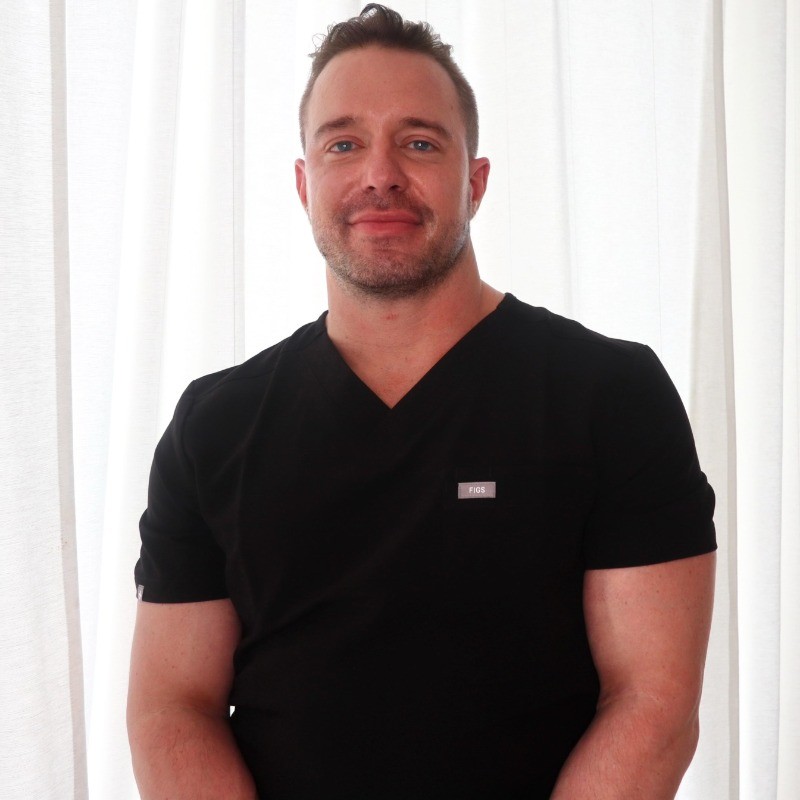
Medically reviewed by Dr. Kimberly Gilbert, MD — Medical Director, Balanced Aesthetics + Wellness
 Previous Post
 Next Post