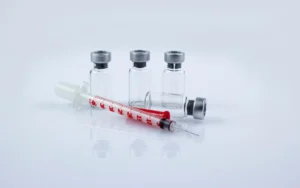






Low Testosterone Treatment: Beyond TRT Options
Low Testosterone Treatment Beyond Standard TRT

Low-testosterone treatment is a clinician-supervised plan for men with compatible symptoms and consistently low testosterone levels confirmed through appropriate testing. For some men, treatment may involve standard testosterone replacement therapy. Selected patients—particularly those with secondary hypogonadism or fertility goals—may be considered for alternative medications that support the body’s own hormone signaling. Lifestyle changes or treatment of an underlying condition may also be the most appropriate first step.
If you have been told your labs are “normal” while you still feel exhausted, foggy, unmotivated, or frustrated by changes in body composition, your symptoms deserve a closer look. But symptoms alone do not confirm testosterone deficiency, and a single result should not determine treatment. A total testosterone level of 320 ng/dL may be interpreted differently depending on the laboratory, assay, timing of the test, symptoms, medications, health conditions, and repeat results. Rather than labeling one number “optimal” or “suboptimal” based on age alone, the next step is to evaluate the full clinical picture.
At Balanced Aesthetics + Wellness, we treat low testosterone as one signal in a larger metabolic and endocrine picture — not a single number to shove back up.
Key Takeaways
- TRT is the established replacement treatment for appropriately diagnosed testosterone deficiency. Selected men may be considered for treatments such as hCG or medications that stimulate endogenous hormone production, particularly when fertility preservation is important. Enclomiphene is not a standalone treatment for male hypogonadism. In select cases of secondary hypogonadism, it may be considered as a therapy aimed at stimulating the body’s own testosterone production, but its use requires careful patient selection and clinical oversight.
- Laboratory reference ranges vary by assay and population. Symptoms matter, but testosterone deficiency is diagnosed only when compatible symptoms or signs are accompanied by consistently low, accurately measured testosterone levels. There is no universally accepted “optimal” testosterone number that applies to every man.
- Fertility goals should be discussed before starting exogenous testosterone because TRT can substantially suppress sperm production. Fertility suppression is reversible for most men: integrated analyses report approximately 67% return to baseline sperm counts within 6 months and 90% within 12 months of stopping TRT, though recovery can take longer in older men or after prolonged use, and is not guaranteed for every individual. Men who may want children should consider baseline reproductive evaluation and fertility-preserving options before treatment begins.
- Every protocol at Balanced Aesthetics + Wellness starts with a 60+ biomarker panel, not a script.
- Peptides are prescribed only when clinically indicated, sourced from licensed U.S. compounding pharmacies under physician oversight.
What low testosterone actually means
Low testosterone is a clinical picture, not a single lab value. The diagnosis requires both a below-optimal total and/or free testosterone reading AND correlated symptoms — fatigue, low libido, cognitive slowdown, loss of muscle mass, mood shifts, poor recovery, disrupted sleep.
Testosterone reference ranges vary by laboratory, assay, and the population used to establish the range. A cut-off of approximately 300 ng/dL is used by the AUA and FDA for clinical trial purposes, while the Endocrine Society references approximately 264 ng/dL as its lower threshold; other major bodies set thresholds ranging from 200 to 300 ng/dL — no single range is universal. A 35-year-old man with a total testosterone of 380 ng/dL should not automatically be labeled clinically undertreated. His symptoms, repeat morning results, free testosterone when indicated, SHBG, medications, health conditions, and possible alternative diagnoses all matter before treatment is considered.
The panel we actually order
Total testosterone is the recommended starting point—but it may not tell the entire story. At Balanced Aesthetics + Wellness, our expanded men’s evaluation may include more than 60 biomarkers to assess hormone signaling, metabolic health, cardiovascular risk, thyroid function, and treatment safety. Depending on the patient, this may include free testosterone, SHBG, LH, FSH, prolactin, CBC, metabolic markers, glucose or HbA1c, lipids, thyroid testing, and PSA when appropriate. Estradiol, DHEA-S, insulin, and additional testing are selected according to the history, examination, symptoms, and proposed treatment rather than assumed to be necessary for every man.
Standard TRT: what it is, what it isn’t
Testosterone replacement therapy delivers exogenous testosterone through options such as injections, transdermal gels, patches, or implanted pellets. The goal is to restore testosterone to an appropriate physiologic range while improving the symptoms or signs that led to treatment. In men with confirmed hypogonadism, TRT may improve sexual symptoms, lean body mass, bone density, and anemia in selected patients. Improvements in energy, fatigue, mood, cognition, and overall quality of life are less predictable outcomes.
Here is the honest tradeoff: exogenous testosterone suppresses hypothalamic and pituitary signaling, causing LH and FSH to fall. This reduces intratesticular testosterone and can significantly suppress sperm production—sometimes to the point that no sperm are detected in the semen. Fertility is not the only consideration, even for men who have completed their families. TRT still requires discussion of potential benefits, contraindications, hematocrit changes, sleep-apnea risk, prostate monitoring when appropriate, cardiovascular history, and long-term uncertainty. For any man who may want children in the future, fertility planning should happen before TRT begins.
The best low testosterone treatment is the one that matches your labs, your age, and your life — not the one on a billboard.
Beyond TRT: four other paths worth understanding
Standard TRT is appropriate for many men with confirmed hypogonadism, but it is not the only possible strategy. Men with secondary hypogonadism, reversible contributors, or fertility goals may benefit from treating the underlying cause or considering medications that support endogenous hormone production. The choice is based on the diagnosis and reproductive goals—not on an age cutoff alone. Our men’s optimization program is built around identifying the cause before defaulting to a prescription.
How the main options actually compare
The comparison below is a starting point, not a prescription. Which column fits you depends on your labs, your age, your fertility goals, and how your body responds — which is what the initial panel and consultation determine.
| Standard TRT | Enclomiphene | hCG / Gonadorelin | CJC-1295 / Ipamorelin | |
|---|---|---|---|---|
| Mechanism | Exogenous testosterone | Blocks estrogen feedback; body makes more T | Directly stimulates testes | Pulsatile GH release |
| Preserves fertility | No | May preserve in secondary hypogonadism; not established for all men or long term | Yes | Neutral |
| Best for | Primary hypogonadism, older men, family complete | Secondary (functional) hypogonadism where endogenous signaling is intact and fertility or axis preservation is a goal; age alone is not a determining criterion | Fertility support, add-on to TRT | GH-decline symptoms, recovery, sleep |
| Onset of symptom relief | 2–6 weeks | 4–8 weeks | 4–8 weeks | Sleep improvements often within 1–2 weeks; meaningful recovery and body-composition changes generally require 8–12 weeks |
| Requires physician oversight | Yes | Yes | Yes | Yes |
What a real workup looks like at Balanced Aesthetics + Wellness
Founded by Dr. Anthony Didato, DMD and Richelle Bonacia, our practice was built around the conviction that how you look and how you feel are the same conversation. Men’s hormone optimization sits squarely in that intersection — testosterone shapes body composition, skin quality, energy, cognition, and sexual health simultaneously.
Step one: the panel
Before we discuss any protocol, we run a comprehensive 60+ biomarker panel. Blood is drawn in the morning, when testosterone peaks — diurnal decline to afternoon ranges from roughly 10–40% depending on age, with younger men showing the steepest drop and older men showing a significantly flattened curve. We look at the endocrine picture, the metabolic picture, thyroid, inflammation, and cardiovascular markers together.
Step two: the honest consultation
We sit with the results together. We map symptoms to biomarkers. If your total testosterone is 410 but your free testosterone is crushed because SHBG is elevated, that’s a very different problem than a man with low total and low free — and it points to a different solution. This is the conversation our clients tell us they’ve never had before.
Step three: the personalized protocol
- When medication is indicated, the clinician selects an appropriate treatment based on the diagnosis, available evidence, fertility goals, risks, and patient preferences. FDA-approved testosterone products may be used when appropriate. Any compounded medication is prescribed and sourced only when clinically and legally appropriate through a properly licensed pharmacy.
- Additional treatment may address a confirmed thyroid, metabolic, nutritional, or other medical abnormality.
- Initial follow-up laboratory testing may occur within approximately 8–12 weeks for certain protocols, but subsequent monitoring is individualized according to the medication, formulation, laboratory findings, symptoms, and safety considerations.
- Access to our regenerative modalities — Hyperbaric Chamber, Prism Red Light Pod, Haelo PEMF, and Biocharger — the Southeast’s only clinic integrating all four alongside hormone care.
A note on peptide cycling
Growth hormone secretagogue receptors downregulate if overstimulated. This is why our peptide protocols for men typically cycle. Continuous daily use blunts the response over time. This is the kind of detail that separates a genuine protocol from a generic prescription.
Frequently asked questions
How do I know if I actually have low testosterone?
Low testosterone is diagnosed with a morning blood draw showing below-optimal total and/or free testosterone, correlated with symptoms — persistent fatigue, low libido, mood changes, loss of muscle, poor recovery, cognitive slowdown. A single number in the lab range doesn’t confirm or rule it out. At Balanced Aesthetics + Wellness we run a full 60+ biomarker panel and review it with you before diagnosis. Whether your symptoms are hormonal, metabolic, thyroid-driven, or something else is exactly what the consultation determines.
Will TRT make me infertile?
TRT can significantly suppress sperm production because external testosterone reduces the LH and FSH signals required for normal testicular function. Some men develop very low sperm counts or no detectable sperm while using TRT. Fertility may recover after treatment is stopped, but recovery can take months or longer and is not guaranteed to be complete. If future fertility matters, discuss it before starting treatment. Baseline semen testing, sperm banking, an alternative treatment, or consultation with a reproductive urologist may be appropriate.
What is the difference between enclomiphene and TRT?
TRT supplies testosterone from outside the body. It can effectively raise testosterone levels but typically suppresses LH, FSH, natural testicular testosterone production, and sperm production. Enclomiphene works through estrogen-receptor signaling at the hypothalamic-pituitary level and may increase the body’s own LH, FSH, and testosterone production when that signaling pathway and testicular function are intact.
Are peptides like CJC-1295 a replacement for testosterone treatment?
No. CJC-1295 and ipamorelin affect growth-hormone signaling; they do not replace testosterone and are not established treatments for testosterone deficiency.
How soon will I feel a difference?
The timeline depends on the diagnosis, treatment selected, symptoms being monitored, and individual response. Some sexual symptoms may begin to change within several weeks, while improvements in body composition, muscle, anemia, or bone health may take several months or longer. Energy, mood, focus, sleep, and recovery have many possible causes and may not improve with testosterone treatment even when laboratory levels rise. If appropriate testosterone levels are reached without meaningful symptom improvement, the diagnosis and treatment plan should be reassessed rather than automatically increasing the dose.
Why does Balanced Aesthetics + Wellness evaluate more than testosterone?
Low libido, fatigue, mood changes, reduced strength, weight gain, and poor recovery are not unique to testosterone deficiency. Sleep apnea, thyroid disease, anemia, diabetes, medication effects, obesity, chronic illness, and mental-health conditions can cause similar symptoms. Our expanded men’s evaluation may include more than 60 biomarkers to provide a wider view of hormone signaling, metabolic health, cardiovascular risk, thyroid function, inflammation, nutrition, and treatment safety. Not every result is used to diagnose low testosterone, and not every patient needs every possible hormone test. The purpose of broader testing is to identify the most likely explanation and avoid treating one number while missing the real issue.
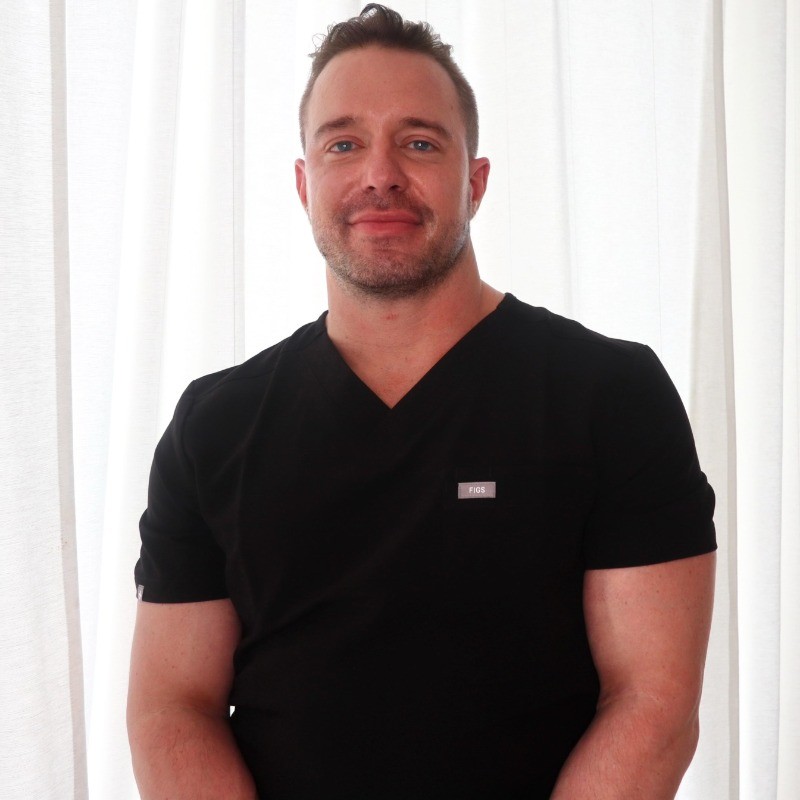
Medically reviewed by Dr. Kimberly Gilbert, MD — Medical Director, Balanced Aesthetics + Wellness
 Previous Post
 Next Post