If You’re Living with Chronic Pain, Read This First
Chronic pain isn’t just physical — it’s emotional, relational, and deeply frustrating. At Balanced Aesthetics + Wellness in Atlanta, we hear you. We see you. And most importantly, we believe in your body’s ability to heal — even if it feels like it’s been stuck in pain for years. If you’ve ever been told, “It’s just part of aging” or “You’ll have to live with it,” that’s not the whole story.
In this article, we’ll explore:
Why chronic pain persists even after an injury heals
What you can do to support your body’s natural recovery systems
And how peptide therapy in Atlanta can help you heal faster and stronger — without relying on daily painkillers
Why Chronic Pain Doesn’t Go Away
Contrary to popular belief, pain doesn’t always mean something is “damaged.” Sometimes, the alarm system in your body gets stuck in the “on” position. Here’s why:
Chronic inflammation keeps firing, even after tissue has healed
Repair signals weaken as we age, slowing regeneration
Stress hormones like cortisol block natural recovery
Poor sleep shuts down growth hormone, your body’s key repair signal
This biological slowdown means what used to heal in a few weeks can now linger for months — or longer. Your body can heal. But it needs the right environment and signals to do so.
Self-Check: Are You Living Around Your Pain?
If you answer yes to any of these, it’s time to reassess your healing strategy:
Skipping workouts or hobbies out of fear you’ll make the pain worse?
Turning down playtime with kids or grandkids due to joint or back pain?
Relying on Tylenol or ibuprofen daily just to function?
Feeling isolated because others don’t understand what you’re going through?
You’re not broken. Your body just needs help turning its healing signals back on.
4 Core Foundations for Chronic Pain Relief
These aren’t gimmicks — they’re the soil in which healing takes root:
1. Nutrition
Protein for tissue repair
Omega-3s to reduce inflammation
Antioxidant-rich vegetables to protect cells
Every bite is either feeding pain or fueling healing
2. Sleep
Deep sleep triggers growth hormone — essential for recovery
5–6 hours per night = reduced healing by up to 40%
Prioritize restful sleep as part of your pain treatment
3. Gentle Movement
Movement increases circulation and nutrient delivery
Walking, yoga, and swimming promote joint resilience
Motion is lotion — don’t let stiffness take over
4. Reduce Inflammatory Triggers
Sugar, alcohol, and processed oils keep inflammation alive
Focus on whole foods and anti-inflammatory choices
What you don’t eat is as powerful as what you do
When Lifestyle Isn’t Enough: Peptides for Pain Recovery
Let’s be honest: some people do all the right things and still hurt. Why? Because their healing signals are too quiet.
That’s where peptide therapy in Atlanta comes in — small proteins your body already uses to send repair messages. With targeted peptide therapy, we’re turning up the volume on your body’s natural instructions: “Heal this tissue. Reduce inflammation. Regenerate function.”
3 Top Peptides for Chronic Pain and Recovery
BPC-157
Speeds up healing in tendons, ligaments, and the gut
Excellent for athletes, active adults, and surgical recovery
Reduces joint pain and improves range of motion
TB-500
Breaks down scar tissue and improves mobility
Supports muscle repair and inflammation reduction
Often stacked with BPC-157 for synergistic effect
GHK-Cu
Stimulates regeneration in skin and connective tissue
Promotes wound healing and joint support
Offers cosmetic and performance-enhancing benefits
Unlike pain medications that block the pain signal, peptides repair the root cause — with no sedating or addictive effects. And at Balanced Aesthetics + Wellness in Atlanta, we only use pure, pharmacy-grade peptides, not powders or unsafe black-market products.
1. What is peptide therapy and how does it help with chronic pain? Peptide therapy uses naturally occurring amino acid chains that send healing and repair signals throughout the body. For chronic pain, peptide therapy in Atlanta helps reduce inflammation, improve joint function, and speed up tissue recovery without relying on daily painkillers.
2. Is peptide therapy safe? Yes. When administered by trained professionals and sourced from FDA-regulated compounding pharmacies, peptide therapy is considered very safe. At Balanced Aesthetics + Wellness in Atlanta, all peptides are pharmacy-grade and clinically dosed under medical supervision.
3. How long does it take to see results from peptide therapy? Many patients begin noticing improvement within 2–4 weeks, although optimal results build over 8–12 weeks as tissue regeneration and inflammation balance improve.
4. Can peptide therapy replace physical therapy or medications? Peptide therapy is not meant to replace standard treatments but to enhance them. When combined with proper movement, nutrition, and rest, it helps accelerate healing and reduce dependency on medications.
5. Who can benefit most from peptide therapy in Atlanta? Anyone dealing with chronic pain, joint stiffness, sports injuries, post-surgical recovery, or general inflammation can benefit. It’s also popular among athletes and active adults seeking faster recovery and better mobility.
Frequently Asked Questions
—How does PEMF support bone healing?
PEMF is FDA-cleared for bone healing — specifically for non-union fractures and delayed healing. The electromagnetic pulses stimulate osteoblast activity (the cells that build new bone), improve calcium transport to the fracture site, enhance local circulation, and reduce the inflammation that can impair bone repair. The clinical evidence for PEMF in bone healing is among the strongest in the regenerative medicine literature. At Balanced, PEMF for bone healing is combined with HBOT (oxygen delivery) and nutritional support (calcium, vitamin D, vitamin K2) for comprehensive fracture recovery.
PEMF is one of the most evidence-supported regenerative modalities for chronic pain management. The electromagnetic pulses restore cellular voltage in damaged tissue, reduce inflammatory mediators, improve local circulation, and support nerve function — addressing pain at the cellular level rather than masking it.
Conditions that respond well to PEMF include chronic back pain, osteoarthritis, fibromyalgia, neuropathic pain, post-surgical pain, and chronic inflammatory conditions. PEMF is FDA-cleared for bone healing and has extensive clinical literature supporting its pain management applications.
The advantage over pharmaceutical pain management is that PEMF has no addiction potential, no systemic side effects, and addresses the underlying tissue dysfunction rather than blocking pain signals. It can be used alongside medications as they’re gradually reduced.
At Balanced, chronic pain patients often combine PEMF with HBOT (oxygen delivery to hypoxic tissue), red light therapy (mitochondrial energy for repair), and BPC-157 peptide therapy (tissue repair signaling). The Regenerative Elite Membership provides unlimited PEMF access for patients who benefit from frequent sessions.
Yes — red and near-infrared light penetrate to joints, tendons, and surrounding soft tissue at depths sufficient to produce therapeutic effects. The mechanism involves mitochondrial stimulation in joint and connective tissue cells (improving cellular energy for repair), reduction of pro-inflammatory cytokines (decreasing the inflammatory environment driving pain), improved circulation to the joint (enhancing nutrient delivery and waste removal), and modulation of pain signaling pathways.
Conditions that respond to red light therapy include osteoarthritis (particularly knee and hand), tendinitis and tendinopathy, chronic shoulder pain, chronic back pain, and post-surgical joint recovery.
The research base for red light therapy in joint pain is substantial — multiple systematic reviews support its efficacy, particularly for osteoarthritis. It’s a drug-free, side-effect-free modality that can be used alongside other treatments.
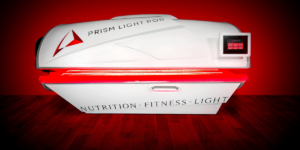
At Balanced, the full-body Prism Pod delivers therapeutic near-infrared doses to all joints simultaneously, making it efficient for patients with pain in multiple areas. PEMF therapy complements red light for joint pain — they work through different but synergistic mechanisms.
Injury recovery is one of the strongest evidence-based applications for peptide therapy. BPC-157 reduces inflammation and accelerates tissue repair. TB-500 promotes cell migration to injured areas and supports new blood vessel formation. When stacked together, they address different but complementary aspects of the healing process.
Common injuries treated with peptides at Balanced include tendon injuries (like patellar tendinopathy), ligament strains, muscle tears, joint inflammation, post-surgical recovery, and chronic pain conditions where healing has plateaued. BPC-157 can be administered systemically or injected near the injury site for more localized effects.
Peptides accelerate healing, but they’re not a substitute for rehabilitation. You still need physical therapy, proper rest, and lifestyle modifications. Peptides enhance and speed up the process — they don’t replace the process itself.
At Balanced, we also combine injury-focused peptide protocols with regenerative wellness modalities. HBOT (hyperbaric oxygen therapy) and red light therapy both support tissue healing through complementary mechanisms — increased oxygen delivery and photobiomodulation, respectively. The combination of peptides plus these modalities often produces faster and more complete recovery than any single approach.
—How do peptides and red light therapy work together?
Peptides and red light therapy (photobiomodulation) work together by targeting different stages of the cellular recovery process. Red light therapy stimulates mitochondria — your cells’ energy producers — increasing ATP output and giving cells more energy to perform repair functions. Peptides provide the specific signaling that directs where and how that energy is used.
For skin rejuvenation, the combination is particularly effective: GHK-Cu signals collagen and elastin production while red light therapy energizes the fibroblasts that actually produce those proteins. For recovery, BPC-157 activates repair pathways while red light therapy ensures the cells doing the repair work have sufficient energy.
At Balanced, our full-body Prism Red Light Pod delivers therapeutic doses of red and near-infrared light across the entire body — not just a targeted panel. Sessions are typically 15–20 minutes and can be done on the same day as peptide injections.
The accessibility of red light therapy makes it an easy addition to any peptide protocol. There’s no downtime, no discomfort, and it compounds the benefits of whatever peptide therapy you’re already doing.
—How do HBOT, red light, peptides, and PEMF work together?
Each modality addresses a different aspect of cellular recovery and optimization, and together they create a comprehensive healing environment that no single therapy achieves alone.
HBOT floods tissues with oxygen — providing the raw fuel cells need for repair. Red light therapy stimulates mitochondria to convert that fuel into ATP (usable cellular energy) more efficiently. Peptides like BPC-157 and TB-500 provide the biological signals that direct where and how repair happens. PEMF restores cellular electrical potential and reduces the inflammatory signaling that blocks healing.
Think of it as a construction project: HBOT delivers the raw materials (oxygen). Red light powers up the workers (mitochondria). Peptides are the blueprints (cellular signaling). PEMF clears the worksite (reduces inflammation and restores electrical balance).
This combination approach is one of Balanced’s most significant differentiators. Most clinics offer one or two of these modalities. Having all four under one roof — plus the medical expertise to coordinate them into a cohesive protocol — creates a regenerative capability that’s genuinely unique in the Atlanta market.
Patients who use the full stack consistently — particularly those recovering from surgery, managing chronic conditions, or pursuing longevity optimization — consistently report outcomes that exceed what any single modality produced in isolation.
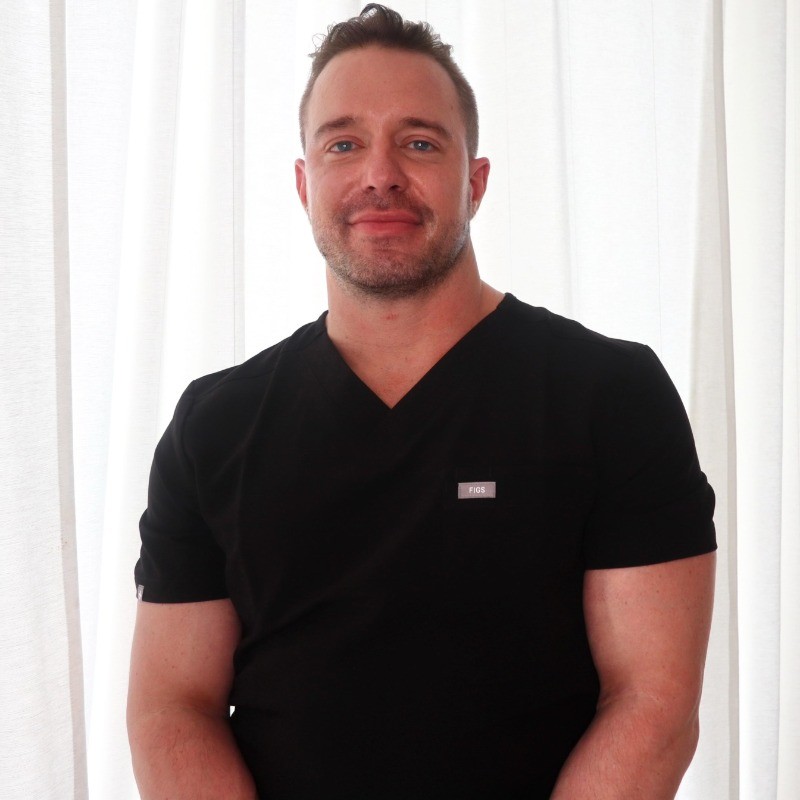
Justin Kitchens is a board-certified Family Nurse Practitioner (FNP-C) and functional medicine practitioner at Balanced Aesthetics + Wellness in Atlanta, GA. He specializes in peptide therapy, hormone optimization, medical weight loss, and regenerative wellness. Justin holds an MS in Family Practice Nursing from Mercer University and an MBA from Kennesaw State University.







 Next Post





 FREE Red Light Bed Session for your Gift Recipient