






Is Peptide Therapy Safe? Your Complete Guide
Is peptide therapy safe? Many people are asking this question as the popularity of peptide therapy continues to grow. Peptides are natural compounds that are found in the body and act as tiny messengers. They are important for helping with different processes like healing, hormone regulation, and weight loss. Peptide therapy involves supplementing with specific peptides to target these processes, which can help you improve your overall health and wellness.
Whether you’re looking to boost your recovery, manage your weight, or slow down the signs of aging, peptide therapy is increasingly used to help support those goals. But the question still remains—is peptide therapy safe?
Today, we are going to go over everything you need to know about peptide therapy, including how it works, how safe it is, the potential side effects, and how to make sure that you’re getting your treatment from trusted sources. With the right information and proper medical guidance, you can make an informed decision about whether peptide therapy is the right choice for you.
How Peptide Therapy Works
Peptides are small chains of amino acids that act as signaling molecules in your body and help to regulate essential processes like tissue repair, hormone production, and fat metabolism. During peptide therapy, these natural compounds are introduced into the body to target specific functions and provide support where it’s needed most.
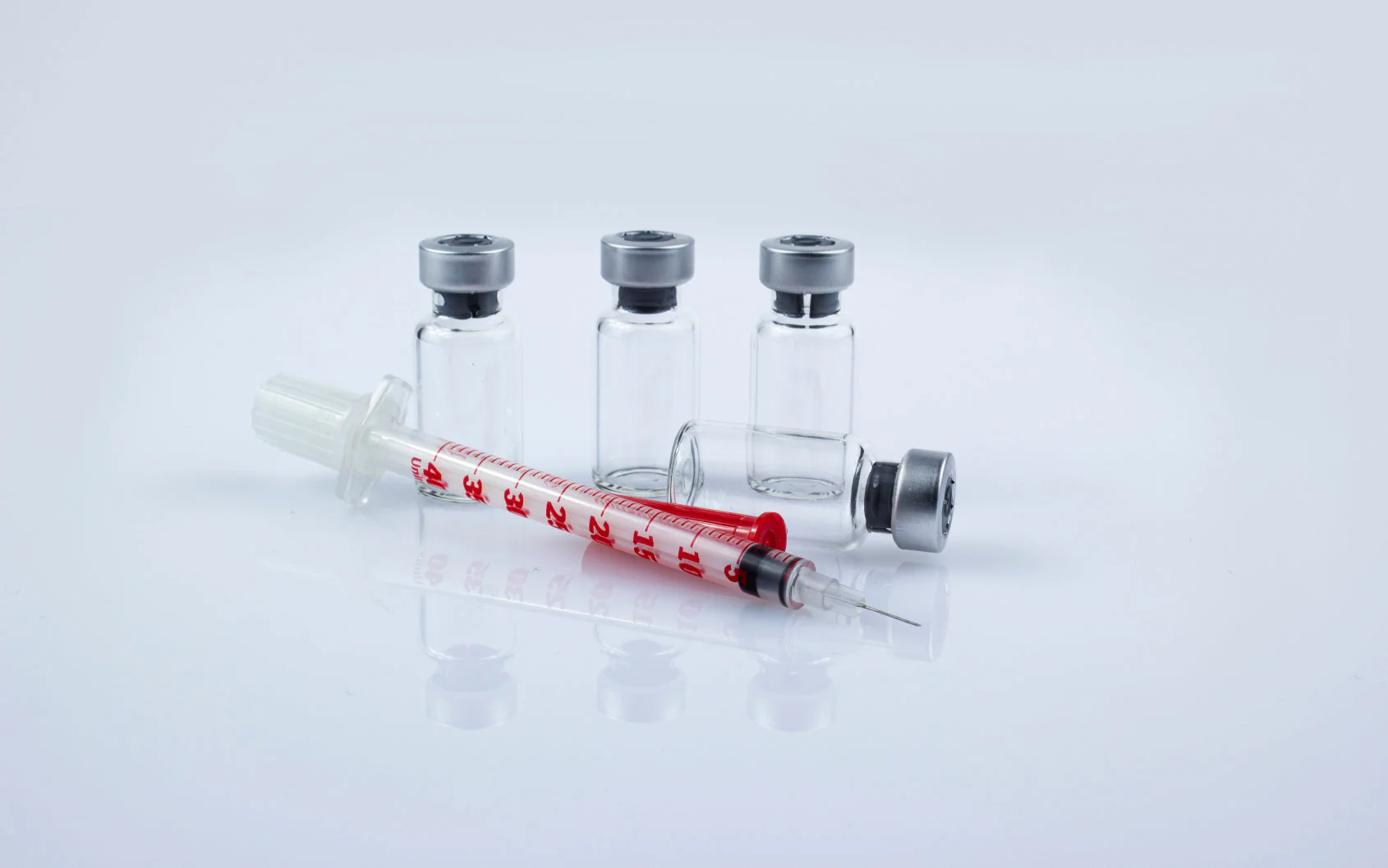
There are several different ways that peptide therapy can be administered. The most common method is a small injection under the skin, which lets the peptide be absorbed without passing through digestion. Some other options include topical creams or oral supplements, depending on the specific goals of the treatment.
Ensuring Safety Through Quality and Regulation
When looking into this treatment, many people ask, is peptide therapy safe? The answer depends on the quality and regulation of the peptides that are being used. One of the most important factors is sourcing peptides that are FDA-approved brand medications or medications dispensed by a licensed, accredited compounding pharmacy.
These pharmacies follow strict safety and manufacturing standards designed to keep peptides pure and free of harmful contaminants.
Unfortunately, not all peptides on the market meet these standards. Peptides purchased from overseas or non-reputable suppliers can be poorly manufactured, mislabeled, or even unsafe. Using these products can expose you to a great deal of serious risks, such as infections or harmful side effects that are caused by unregulated ingredients.
A trusted provider will only work with vetted compounding pharmacies. These pharmacies source their ingredients from legitimate, ethical suppliers and follow very rigorous plans for both testing and quality control. This level of oversight helps ensure the peptides you are using in your therapy are both safe and reliable.
Quality control is not an area where you should cut corners. By choosing a licensed medical provider who prioritizes your safety and works exclusively with trusted pharmacies, you can greatly minimize any risks and feel confident in your peptide therapy treatment. Your health and well-being deserve nothing less than this.
Commonly Used Peptides
To properly address the question is peptide therapy safe, it’s important to understand some of the most common peptides that are being used. When prescribed and monitored by a qualified provider, peptide therapy is generally well tolerated, though every prescription carries some risk. Here are some of the most popular peptides:
-
GLP-1: This is most commonly prescribed for weight management and blood sugar control. GLP-1 can help with appetite control and boost your metabolic health. The side effects of this peptide are usually mild and may include nausea or temporary digestive discomfort.
-
Sexual health peptides: These work through melanocortin receptors in the brain involved in desire and are used to support libido in both men and women. Side effects such as nausea, flushing, or a mild headache can occur and are usually short-lived.
-
Overnight recovery support peptides: These stimulate your own growth hormone release to support muscle repair, recovery, and fat metabolism. They are usually well tolerated, though mild water retention or injection-site irritation can occur.
The Potential Side Effects and Risks of Peptide Therapy
Peptide therapy is usually well-tolerated, but like any treatment, it’s important to understand any potential reactions.
The most common side effects include mild swelling, redness, or tenderness at the injection site. Some people may experience nausea or temporary digestive discomfort, especially with certain peptides like GLP-1. These reactions are usually mild and resolve on their own.
Some of the less common risks include allergic reactions, which could cause itching, a rash, or swelling. Using peptides without medical oversight could disrupt your hormone levels, leading to imbalances that might cause fatigue, mood changes, or other health concerns.
A skilled provider lowers these risks by reviewing your health history before prescribing and monitoring your progress throughout.
Working with a trusted provider means your peptide plan is built around your health history and goals, with support throughout your treatment.
Frequently Asked Questions
What is peptide therapy, and how does it work?
Peptide therapy uses naturally occurring compounds in the body to help with processes like healing, hormone regulation, and fat metabolism. Peptides are used to target specific health goals and improve your overall well-being.
What are the common side effects of peptide therapy?
Common side effects include mild swelling, redness at the injection site, or nausea. These are usually short-lived and tend to settle on their own; your provider monitors how you respond.
How can I ensure my peptide therapy treatment is safe?
Work with a licensed provider who sources peptides that are FDA-approved brand medications or medications dispensed by a licensed, accredited compounding pharmacy and monitors you regularly.
What should I discuss with my provider before starting peptide therapy?
Talk with your provider about your medical history, your treatment goals, and any potential risks that may be involved. This helps to ensure that your therapy is personalized and safe for your unique needs.
Explore Peptide Therapy with Our Trusted Experts
At Balanced Aesthetics + Wellness, your safety and well-being are our top priorities. Our licensed providers prescribe FDA-approved brand medications or medications dispensed by a licensed, accredited compounding pharmacy and build every plan around your labs, history, and goals.
If you’re ready to see whether peptide therapy fits your health goals, schedule a consultation with our experienced team today. Together, we’ll create a care plan that’s right for you. Individual results vary. Consultation with a provider required.
Frequently Asked Questions
— Sources & References
5›
Verified resources from our clinical research database.
BPC-157 Accelerates Tendon-to-Bone Healing ↗
BPC-157 (Body Protection Compound-157) is a gastric pentadecapeptide that accelerates healing of tendons, ligaments, muscles, and the GI tract in…
BPC-157 Contraindicated in Active Cancer ↗
BPC-157 promotes angiogenesis (new blood vessel formation), which means patients with active cancer should not use it. This is a…
Pharmaceutical-Grade vs. Research-Grade Peptides ↗
Independent testing of gray-market peptides has found contamination with heavy metals, bacterial endotoxins, incorrect peptide sequences, and concentrations far above…
Most Peptides Not Individually FDA-Approved ↗
Most therapeutic peptides used in wellness are not individually FDA-approved as finished drug products. They are prescribed as compounded medications…
Dr. Anthony Didato, DMD — Clinical Approach ↗
Board-certified physician combining conventional medical training with functional and integrative medicine. Clinical focus areas: hormone optimization (men's and women's), functional…

Medically reviewed by Dr. Kimberly Gilbert, MD — Medical Director, Balanced Aesthetics + Wellness
 Previous Post
 Next Post