





The Science Behind Microneedling: How It Boosts Collagen & Rejuvenates Skin
- Microneedling creates controlled micro-injuries that trigger three phases of collagen production: inflammation, proliferation, and remodeling
- Results continue developing for several months after treatment as new collagen matures
- Beyond collagen, microneedling improves texture, fine lines, product absorption, and hyperpigmentation
- Suitable for all skin tones when performed by a trained professional, once your provider confirms it suits your skin
Microneedling has become one of the most popular skincare treatments for those looking to improve their skin’s texture, tone, minimize pores, and enhance overall appearance. But what exactly happens beneath the surface when tiny needles puncture the skin? The answer lies in the body’s natural healing response, particularly its ability to boost collagen production. Let’s dive into the science behind microneedling and how it works to rejuvenate the skin.
What is Microneedling?
Microneedling, also known as collagen induction therapy (CIT), is a minimally invasive procedure that involves the use of fine, sterile needles to create micro-injuries in the skin. These controlled injuries stimulate the body’s natural wound-healing process, which includes inflammation, tissue remodeling, and collagen production.
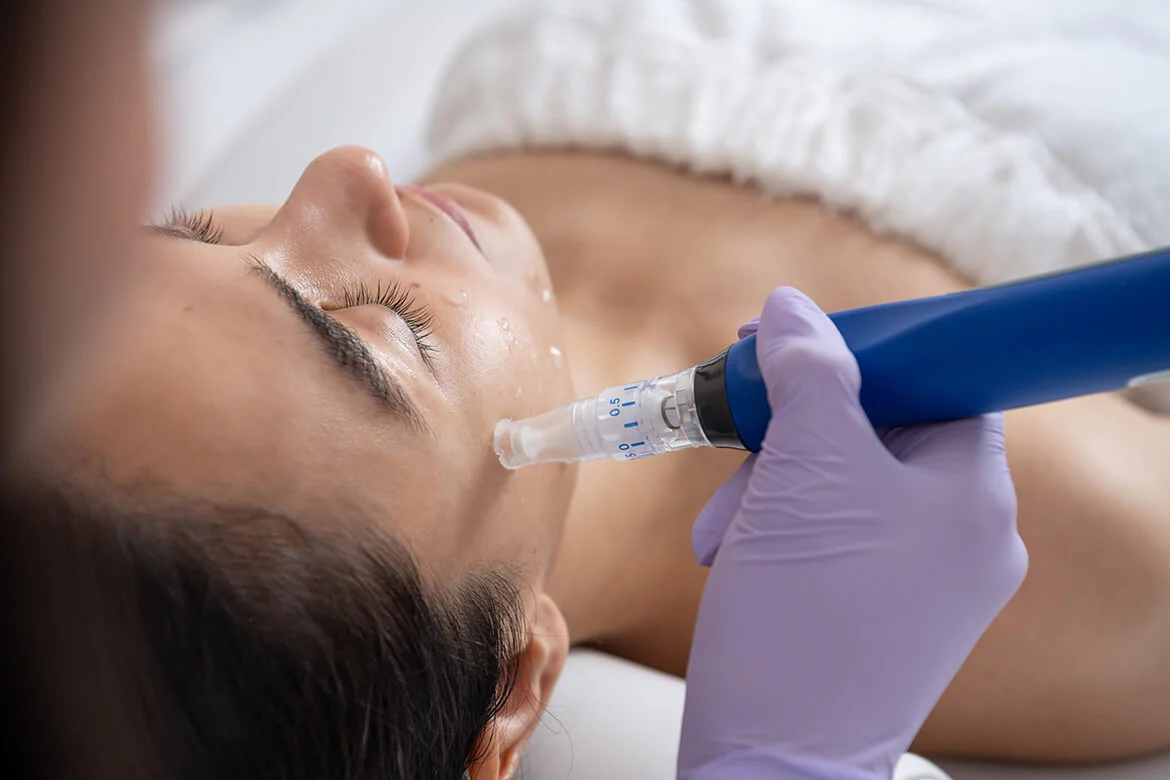
The treatment can be performed using a derma roller or an electronic microneedling device, which varies in needle depth and speed. It is commonly used to treat acne scars, fine lines, wrinkles, enlarged pores, and overall skin laxity.
Microneedling is also called collagen induction therapy (CIT) because its primary mechanism is triggering your body’s own collagen production — not adding anything artificial to the skin.
How Microneedling Boosts Collagen Production
Collagen is the primary structural protein in the skin, responsible for maintaining its firmness and elasticity. As we age, collagen production declines, leading to wrinkles, sagging, and a loss of youthful volume. Microneedling works by kickstarting collagen synthesis through three key phases:
-
Inflammation Phase: As the needles create tiny punctures, the skin’s immune system responds by triggering inflammation. This initial response helps disinfect the wounds, remove debris, and stimulate blood flow to the affected area.
-
Proliferation Phase: During this phase, fibroblasts, the cells responsible for producing collagen and elastin, become activated. New blood vessels begin to form, and the production of fresh collagen fibers starts to replace damaged tissue.
-
Remodeling Phase: The newly formed collagen matures and strengthens over time, leading to improved skin texture, elasticity, and resilience. This phase can continue for several months after the treatment, providing long-lasting benefits.
The remodeling phase continues for several months after treatment — meaning your skin keeps improving long after your appointment. This is why results usually build across a series of sessions; your provider recommends the right plan and spacing for your skin. Individual results vary.
Additional Skin Benefits of Microneedling
Beyond collagen stimulation, microneedling offers a range of benefits that make it an effective skincare treatment:
-
Improves Skin Texture: Helps reduce the appearance of scars, rough patches, and uneven skin tone.
-
Minimizes Fine Lines and Wrinkles: By promoting collagen and elastin production, microneedling helps plump the skin and smooth out lines.
-
Enhances Product Absorption: The tiny channels created by microneedling allow serums, peptides, and other skincare products to penetrate deeper, making them more effective.
-
Reduces Hyperpigmentation: Helps fade dark spots, sun damage, and melasma by encouraging skin cell turnover.
The micro-channels created during treatment allow serums and growth factors to reach deeper than topical application alone. At Balanced, our PDGF Microneedling uses concentrated platelet-derived growth factors during treatment to support the collagen response.
Curious whether microneedling could improve your skin texture, scars, or fine lines?
Is Microneedling Safe?
Microneedling is generally safe for most skin types when performed by a trained professional. However, mild redness, swelling, and sensitivity are common temporary side effects. It’s important to follow post-procedure care instructions, such as avoiding direct sun exposure and using gentle skincare products.
If you have active acne, an infection, or a skin condition like eczema, talk with your provider before booking microneedling. Additionally, professional microneedling treatments offer more precise results than at-home derma rollers, which may carry a higher risk of improper use.
At-home derma rollers carry a higher risk of improper use, infection, and inconsistent results. Professional treatments with electronic microneedling devices allow precise control over needle depth and speed for safer, more effective outcomes.
Microneedling is a scientifically backed skincare treatment that harnesses the body’s natural healing mechanisms to boost collagen and rejuvenate the skin. By stimulating the production of essential proteins like collagen and elastin, microneedling can help improve skin texture, reduce fine lines, and enhance overall skin health. Whether you’re looking to address acne scars, wrinkles, or dullness, this treatment offers a well-studied path to smoother, healthier-looking skin. Individual results vary.
Ready to see what microneedling can do for your skin?
Frequently Asked Questions
— Sources & References
6›
Verified resources from our clinical research database.
Microneedling Stimulates Collagen Production Via Wound Healing Cascade ↗
Microneedling (collagen induction therapy) creates controlled micro-injuries triggering three phases: inflammation (immune response), proliferation (fibroblast activation producing collagen and elastin),…
RF Microneedling (Secret PRO) — Radiofrequency + Needling Synergy ↗
RF microneedling delivers radiofrequency energy through tiny needles at controlled depths, producing thermal tightening alongside collagen stimulation. More robust collagen…
Collagen Production Declines With Age ↗
Natural collagen production decreases approximately 1% per year after age 20. This decline leads to wrinkles, sagging, and loss of…
PDGF Microneedling — Growth Factor Enhancement ↗
Combining microneedling with concentrated platelet-derived growth factors (PDGF) accelerates collagen response. Growth factors signal fibroblasts to produce collagen more aggressively…
Acne Scar Treatment — Matching Scar Type to Modality ↗
Rolling and boxcar scars respond to microneedling and RF microneedling (collagen stimulation that fills depressed areas). Deep ice pick scars…
Microneedling Safety for Darker Skin Tones ↗
Microneedling's mechanism is mechanical and thermal rather than pigment-dependent, making it one of the safest collagen-stimulating treatments for Fitzpatrick skin…

Medically reviewed by Dr. Kimberly Gilbert, MD — Medical Director, Balanced Aesthetics + Wellness
 Previous Post
 Next Post