If you’ve been hearing a lot about BPC-157 lately, you’re not alone. This synthetic peptide has rapidly become one of the most talked-about tools in wellness, sports recovery, gut health, and even cognitive optimization. But what makes BPC-157 so special?
In this blog, we delve into why BPC-157 has garnered such a strong following among athletes, functional medicine practitioners, biohackers, and everyday individuals seeking to heal faster and live better.
What is BPC-157?
BPC-157 stands for “Body Protection Compound 157,” and it’s derived from a naturally occurring protein in the stomach. Despite its synthetic form, it’s designed to mimic the body’s own regenerative processes, especially in the areas of inflammation, tissue damage, and healing.
This peptide is considered a powerhouse due to its versatility across multiple systems, including musculoskeletal, gastrointestinal, neurological, and cardiovascular.
Why BPC-157 is So Popular
1. Accelerated Injury Recovery
Athletes and active individuals love BPC-157 because it speeds up the recovery of:
Tendons
Ligaments
Muscles
Joints
It achieves this by stimulating angiogenesis (the formation of new blood vessels), improving circulation to damaged tissues, and promoting cell regeneration.
2. Inflammation Control Without Side Effects
BPC-157 has powerful anti-inflammatory properties without the downsides of NSAIDs or corticosteroids. People with chronic inflammation, autoimmune diseases, or pain syndromes often report significant improvements without harsh medication.
3. Supports Gut Repair
One of BPC-157’s most unique benefits is its ability to repair the gastrointestinal lining. It helps with:
Leaky gut
Ulcers
Crohn’s disease
IBS
This makes it incredibly popular with patients focused on gut-brain axis healing and root-cause functional medicine.
4. Neurological & Cognitive Support
Emerging studies show BPC-157 may offer neuroprotective benefits. Some users report:
Improved cognitive clarity
Reduced brain fog
Faster recovery from concussions
5. Versatile Application Methods
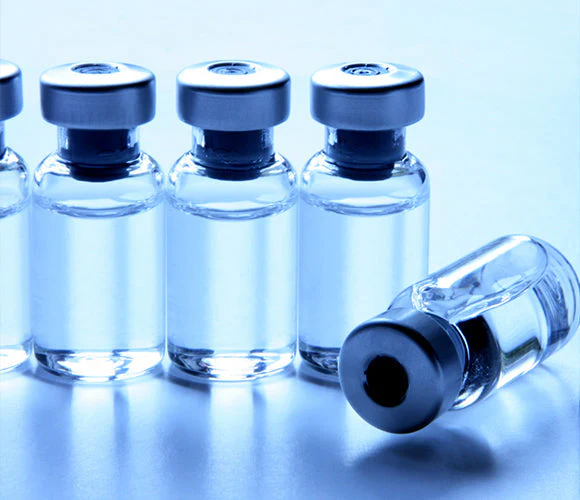
BPC-157 can be taken orally (best for gut and organ healing) or injected subcutaneously or intramuscularly (best for musculoskeletal repair). This flexibility makes it ideal for various types of patients and protocols.
6. Minimal Side Effects & High Safety Profile
Compared to many pharmaceuticals, BPC-157 has virtually no known side effects. It’s well-tolerated and considered safe when used under medical supervision.
Who Uses BPC-157?
Athletes: for recovery, endurance, and injury prevention
Surgical patients: to heal incisions, scars, and soft tissue damage
Functional medicine patients: for autoimmune, gut, and inflammation protocols
Biohackers: for general regeneration, tissue repair, and neuroprotection
What the Research Says
A 2018 study found that BPC-157 accelerated the healing of tendons and ligaments.
A 2016 study noted its impact on reducing gut inflammation and protecting against ulcers.
Additional research suggests it counteracts damage caused by NSAIDs, alcohol, and even traumatic brain injury【38†source】
How to Take BPC-157
For injury recovery: 250–500 mcg/day injected near the injury or subcutaneously
For gut healing: 250 mcg/day orally
For chronic inflammation: up to 500 mcg/day
Always consult a provider to determine your ideal dose and method.
Where to Get It
At Balanced Aesthetics + Wellness, we offer pharmaceutical-grade peptides, such as BPC-157, through both telehealth and in-clinic consultations. Our team personalizes dosing, delivery, and stacked protocols to meet your healing goals.
Book your consultation today and find out if BPC-157 is the missing piece in your healing journey.
Frequently Asked Questions
—How much does peptide therapy cost?
Peptide therapy costs vary depending on which peptides you’re prescribed, the duration of your cycle, and whether you’re using a single peptide or a multi-peptide stack. At Balanced, we discuss pricing during your consultation after we’ve reviewed your labs and determined which protocol matches your goals.
We take a consultation-first approach to pricing because peptide therapy is not a one-size-fits-all service. A patient using BPC-157 alone for gut health has a different cost structure than someone on a comprehensive stack of Tesamorelin, CJC-1295/Ipamorelin, and GHK-Cu. Quoting a generic number without knowing your protocol would be misleading.
What we can tell you: peptide therapy at a legitimate clinic with pharmaceutical-grade sourcing will cost more than gray-market peptides purchased online. That premium reflects licensed compounding, verified purity, clinical oversight, lab monitoring, and ongoing protocol management. The cost of an adverse event from an unverified product — or simply wasting months on a peptide that contains the wrong concentration — far exceeds the price difference.
For ongoing therapy, our TRT Membership includes 10% off peptide therapy, and our wellness packages bundle common service combinations at preferred pricing.
—How are peptides administered? Do I have to inject myself?
Most peptides are administered via subcutaneous injection — a small needle inserted just under the skin, typically in the abdominal area or thigh. The needle is very thin (similar to an insulin needle), and the injection takes seconds. Most patients are surprised by how manageable it is after the first time.
Some peptides are available in oral form. BPC-157, for example, can be taken orally when the primary goal is gut health. Oral peptides bypass the injection entirely but may have different bioavailability and primary effects compared to their injectable counterparts.
At Balanced, we teach you exactly how to self-administer during your first visit. Your provider or nurse walks you through the process step by step — proper technique, injection site rotation, storage requirements, and what’s normal at the injection site afterward. We don’t hand you a vial and send you home without instruction.
For patients who are genuinely needle-averse, we discuss alternative delivery methods when available. But the honest reality is that injectable peptides are the most effective delivery method for most applications, and the discomfort is minimal once you’ve done it a few times.
The half-life of peptides varies significantly by type. Most therapeutic peptides have relatively short half-lives — minutes to hours — which is why consistent daily dosing is required during an active cycle. CJC-1295 with DAC is an exception, with a half-life of approximately 6–8 days, allowing for less frequent dosing.
But half-life and duration of effect are different things. Even though BPC-157 clears your system within hours, the tissue repair and signaling restoration it initiates continues well beyond a single dose. The cumulative effect of consistent dosing over weeks is what produces lasting results — not the presence of the peptide in your bloodstream at any given moment.
This is why peptides require daily commitment during the active cycle. Missing doses undermines the cumulative signaling effect. And it’s also why the off-cycle period works — the benefits you’ve built over the active cycle persist even after the peptide has cleared your system.
For drug testing purposes, standard employment drug panels do not test for peptides. Specialized athletic testing (WADA protocols) can detect certain growth hormone secretagogues, but this is not relevant for most patients.
—Can peptides help with brain fog and cognitive function?
Yes. Cognitive decline — often experienced as brain fog, difficulty concentrating, or reduced mental sharpness — has multiple biological drivers that peptides can address. Mitochondrial peptides like SS-31 and MOTS-c target cellular energy production in the brain. Growth hormone secretagogues (CJC-1295/Ipamorelin) support neuronal repair and cognitive clarity through improved GH levels. BPC-157 reduces neuroinflammation that contributes to foggy thinking.
Brain fog is rarely a standalone issue. It’s usually a symptom of something deeper — hormonal decline, chronic inflammation, poor sleep quality, gut dysbiosis, or mitochondrial dysfunction. Peptide therapy works because it addresses these root causes rather than masking the symptom.
At Balanced, cognitive complaints are common among patients in their 40s and 50s — particularly high performers who notice even small declines in executive function. The approach is always: comprehensive labs to identify what’s actually driving the fog, then a targeted protocol to correct it. Sometimes that’s a growth hormone peptide. Sometimes it’s BPC-157 for gut-brain axis support. Often it’s a combination.
Patients frequently report improved mental clarity as one of the first changes they notice on a peptide protocol — sometimes before they see physical changes.
Yes. Thymosin Alpha-1 is the primary immune-modulating peptide, enhancing T-cell function and supporting your body’s ability to identify and respond to infections and abnormal cells. BPC-157 also contributes to immune health indirectly by reducing systemic inflammation and supporting gut integrity — where approximately 70% of your immune system resides.
Immune-focused peptide protocols at Balanced are typically prescribed for patients with recurring infections, chronic immune challenges, or those pursuing comprehensive longevity plans where immune optimization is one component of a broader strategy.
The key word is “modulation” — not just “boosting.” A healthy immune system isn’t one that’s simply turned up to maximum. It’s one that responds appropriately — strong enough to fight threats, calibrated enough to avoid overreacting (which is what drives autoimmune conditions). Thymosin Alpha-1 supports this balance rather than indiscriminately amplifying immune activity.
If immune support is your primary concern, your consultation at Balanced would include immune-specific markers in your lab panel and an assessment of whether the issue is immune underperformance, chronic inflammation, or something else entirely.
—Why does Balanced start with gut health before other peptides?
Because your gut is the operating system that every other therapy runs on. Approximately 70% of your immune system lives in your gut. About 90% of serotonin is produced there. Nutrient absorption, hormone metabolism, and systemic inflammation levels are all regulated through gut function. If your gut is compromised, everything else underperforms.
This isn’t theoretical — we see it clinically. Patients who start with gut health optimization (BPC-157 as Phase 1) consistently respond better to subsequent therapies than patients who skip that step. Hormones absorb better. Other peptides signal more effectively. Even aesthetic treatments produce more durable results when the body’s inflammatory baseline is lower.
Most Americans have some degree of gut compromise — from processed food, antibiotic history, chronic stress, or environmental toxins. It’s so common that patients often don’t recognize the symptoms (bloating, irregular digestion, food sensitivities, brain fog) as gut-related until after treatment.
The Phase 1 gut protocol is typically 8–12 weeks of oral BPC-157. After that foundation is set, we layer additional peptides — growth hormone secretagogues, body composition peptides, cognitive peptides — onto a system that’s now optimized to receive them.
Justin Kitchens is a board-certified Family Nurse Practitioner (FNP-C) and functional medicine practitioner at Balanced Aesthetics + Wellness in Atlanta, GA. He specializes in peptide therapy, hormone optimization, medical weight loss, and regenerative wellness. Justin holds an MS in Family Practice Nursing from Mercer University and an MBA from Kennesaw State University.







 Previous Post
 Next Post





 FREE Red Light Bed Session for your Gift Recipient