






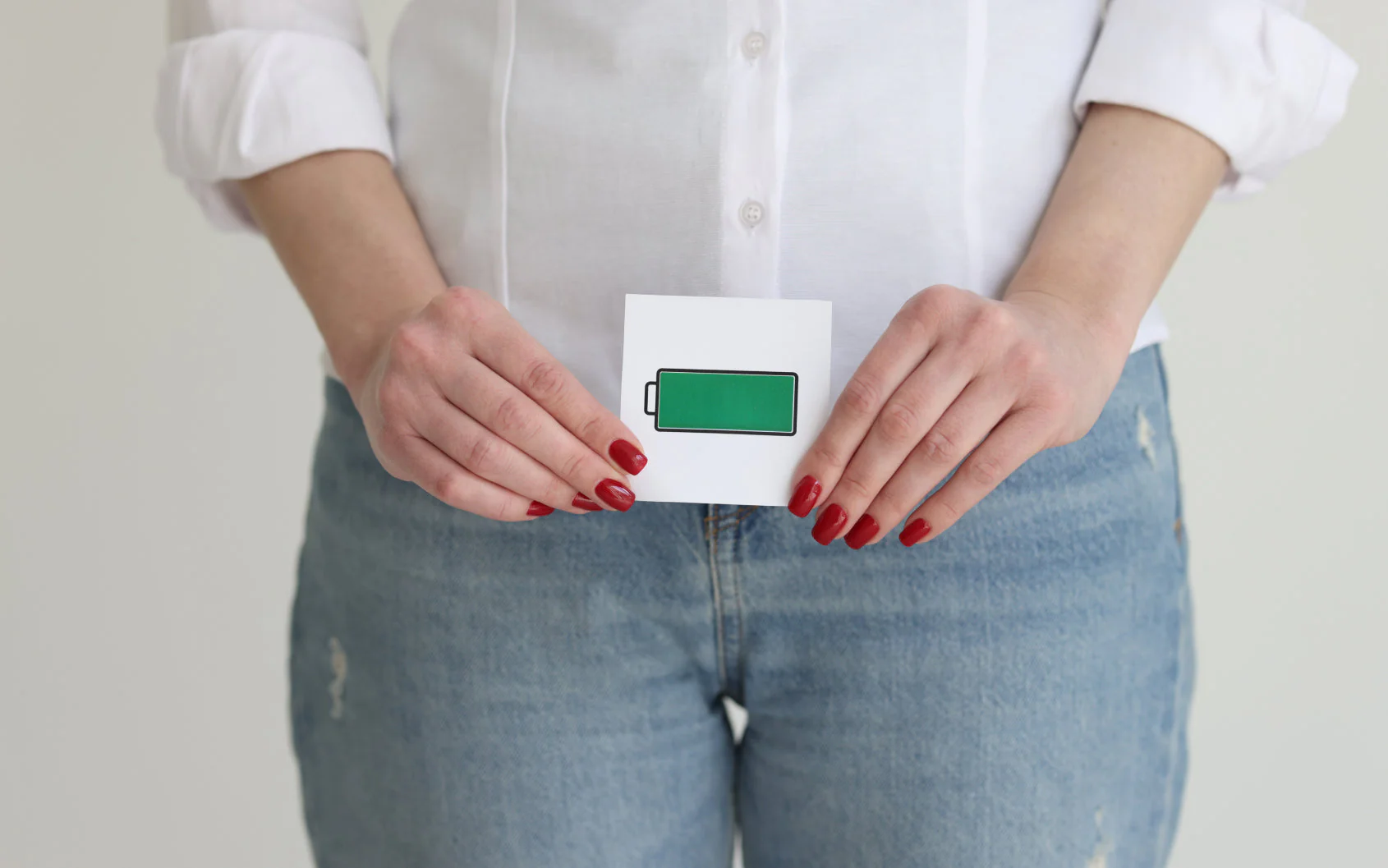
Will Testosterone Replacement Therapy Help Improve Libido?
Imagine waking up each day feeling like something is missing from your life. That natural vitality is no longer as strong as it once was. For many men, this loss of energy and desire can stem from low testosterone levels. TRT has been gaining a lot of attention for its potential to reignite your libido and improve your overall sexual health. But will TRT bring libido back? Let’s take a look at the connection between hormones, libido, and what this treatment can and cannot do.
Understanding Testosterone and Its Role in Libido
Testosterone is more than just a hormone. It’s the foundation of male vitality, playing a very important role in physical, emotional, and sexual health. Testosterone has a direct influence on libido by helping to fuel sexual desire, create healthy erections, and help with overall sexual functioning. When levels dip below the normal range, it can lead to a significant drop in sex drive, leaving many men feeling frustrated and disconnected from their partners.
How Testosterone Replacement Therapy Works
The purpose of TRT is to help replenish low testosterone levels and restore hormonal balance throughout the entire body. There are many different methods of administration that can be used such as injections, patches, or gels, but all of them have the same goal of delivering consistent testosterone levels in order to treat the symptoms of testosterone deficiency. When levels are brought back into a healthy range, men with low levels may notice more energy, confidence, and libido. Individual results vary. But how exactly does TRT accomplish this?
By enhancing the natural hormonal balance in your body, TRT may address one common cause of low libido. Testosterone interacts with receptors in the brain that regulate sexual desire, which helps to reignite that natural spark that’s been missing. So, will TRT bring libido back? For men whose low libido is driven by low testosterone, it may help. Individual results vary.
The Science: Will TRT Bring Libido Back?
Scientific studies show a strong correlation between TRT and an improved libido. Research has shown that men with low testosterone who undergo TRT often experience significant increases in sexual desire and activity. In clinical trials, men with confirmed low levels have generally seen improvements in sexual desire on TRT, although the size of the effect varies.
For instance, a study published in the Journal of Sexual Medicine showed that men with a testosterone deficiency who underwent TRT reported enhanced sexual satisfaction and a marked improvement in their intimate relationships. These findings support TRT as an option worth discussing for men with low levels and low libido.
What to Expect During Testosterone Replacement Therapy
Starting TRT is a straightforward process, but it’s important that you have realistic expectations about what lies ahead. Once you start treatment, it’s important to know that improvements in libido may not happen right away. Changes usually build over weeks to months, and timing differs from person to person. Patience and consistency are the keys to successful TRT.
TRT may also support energy, mood, and muscle mass. These changes can help contribute to a greater sense of overall well-being, which can help even further toward creating a healthier and more satisfying sex life. Still, will TRT bring libido back fully? That can depend on certain individual factors such as overall health and how well you adhere to the treatment plan.
Factors That Influence TRT’s Effect on Libido
While TRT can be very effective, its success in improving libido isn’t guaranteed for everyone. There are several different factors that can influence its results, such as:
-
Underlying Health Conditions – Issues like diabetes, cardiovascular disease, or depression can influence how well TRT works.
-
Lifestyle Choices – Diet, exercise, and stress levels play a big role in how your body responds to treatment.
-
Consistency – Sticking to your prescribed TRT plan matters for getting the most from treatment.
-
Age and Hormonal History – Older men or those that have had long-term hormonal imbalances may require more time to see significant changes.
Having an open and honest conversation with your healthcare provider is so important in order to understand these factors, tailor your treatment plan, and get the most out of TRT.
Frequently Asked Questions
How does testosterone influence libido?
Testosterone is a main driver of sexual desire. It works by stimulating the brain receptors that are responsible for sexual arousal and maintaining healthy erectile function. When testosterone levels are low, these processes can become disrupted which can lead to a decline in libido.
Will TRT bring libido back in men with low testosterone?
For many men with clinically low levels, TRT can help improve libido by restoring hormonal balance. Individual results vary, and your provider will review your labs to see whether low levels are the cause.
How long does it take to see improvements in libido with TRT?
Timing differs from person to person, and your provider reviews your progress at follow-ups. Your treatment plan and individual response both affect the timeline.
What factors can affect the success of TRT in improving libido?
Success can depend on your overall health, how well you stick to the treatment plan, your lifestyle habits, and the presence of any underlying medical conditions.
Are there any side effects of TRT that could impact sexual health?
Like any prescription, TRT has potential side effects, including fluid retention, acne, or mood changes. TRT can also reduce sperm production, so tell your provider if fertility matters to you. It’s important that you always work closely with your healthcare provider in order to minimize any risks.
Take the Next Step Towards Reclaiming Your Vitality with TRT
If you’re struggling with low libido and are wondering if TRT could help, it may be worth exploring with a provider. When low hormone levels are the root cause, TRT has the potential to help improve libido and quality of life. Individual results vary.
At Balanced Aesthetics + Wellness, our team of experienced providers is here to guide you every step of the way. We’re ready to answer your questions, create a personalized treatment plan, and support you on your journey to renewed vitality. Schedule a consultation with us today to find out whether TRT is right for you. Individual results vary. Consultation with a provider required.
Frequently Asked Questions
— Sources & References
7›
Verified resources from our clinical research database.
Testosterone Replacement Therapy (TRT) Mechanism ↗
TRT restores testosterone to healthy levels (target: 600-900 ng/dL) in men whose bodies no longer produce enough. Testosterone influences energy,…
Aromatase and Estrogen Management in Men's TRT ↗
Testosterone converts to estrogen through the aromatase enzyme. Elevated estrogen in men causes water retention, mood swings, gynecomastia, and paradoxically…
PT-141 vs. Viagra/Cialis — Different Mechanisms ↗
PT-141 targets desire at the brain level (melanocortin receptors). Viagra/Cialis target performance via blood flow (PDE5 inhibitors). If the issue…
Low Testosterone Affects ~40% of Men Over 45 ↗
Approximately 40% of men over 45 have testosterone levels below the clinical threshold. Serum testosterone below 300 ng/dL is generally…
Testosterone Supplements vs. TRT — Magnitude of Effect ↗
Testosterone boosting supplements (D-aspartic acid, tribulus, fenugreek, ashwagandha) show limited evidence for meaningful elevation — typically 5-15%. For a man…
Testosterone Influences Cognitive Function ↗
Testosterone acts directly on androgen receptors in the brain, supporting processing speed, verbal memory, spatial ability, and executive function. Low…
Ep. 3: Low Testosterone Is Wrecking Your Energy and Hormones ↗
Dr. Didato covers the clinical presentation of low testosterone in men, diagnostic thresholds, treatment options including TRT and peptide-based alternatives,…

Medically reviewed by Dr. Kimberly Gilbert, MD — Medical Director, Balanced Aesthetics + Wellness
 Previous Post
 Next Post